

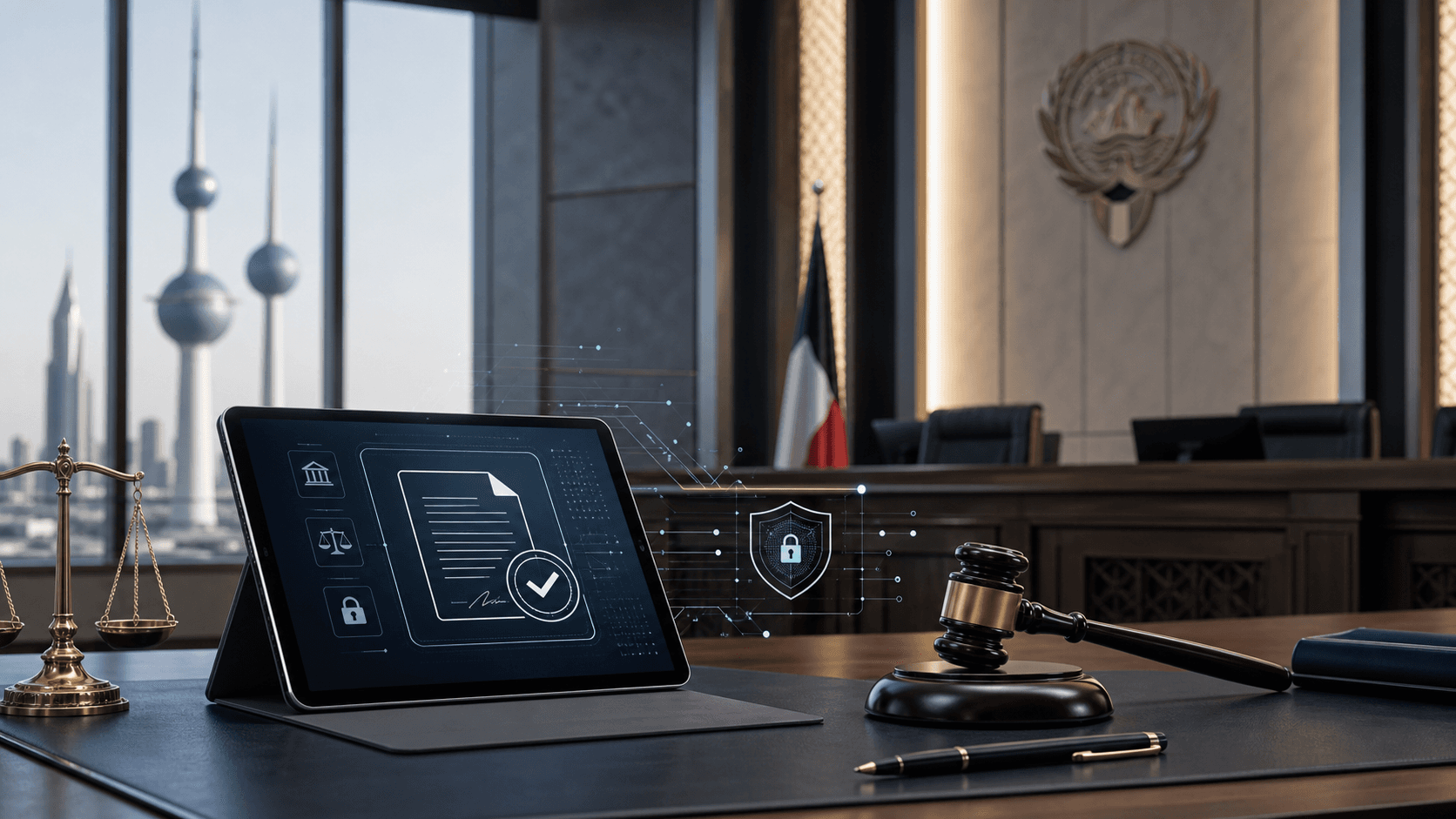
The Kuwaiti Cabinet Approves Electronic Judgments in Criminal Cases
08-10-2025
Criminal LawLitigationDigital Justice
Enhancing Judicial Efficiency through Digital Transformation
The Kuwaiti Cabinet has approved a draft decree-law amending Law No. 17 of 1960 on Criminal Procedures and Trials. This amendment authorizes courts to issue judgments electronically in simple criminal cases such as misdemeanours and minor violations. This significant reform is poised to transform the judicial landscape in Kuwait.
According to the official statement from the Council of Ministers General Secretariat (CGC Kuwait), the new system introduces a fully electronic penal order process. This process covers every stage, from receiving requests to issuing and notifying judgments through a digital platform.
Objectives of the Reform
The primary aim of this reform is to accelerate case resolution and reduce pressure on courts and litigants. Last year, over 250,000 penal orders were issued, highlighting the need for a more efficient judicial system.
Key changes include:
Full digital transformation for penal orders, eliminating the need for paper or physical hearings.
Amendments to Articles 188 and 230 to enable electronic notifications and strengthen fine collection mechanisms.
Clear procedures for seized items, including storage periods and destruction when no longer needed.
Broader Implications for the Judiciary
This move reinforces Kuwait’s broader digital transformation plan in the judiciary, initiated under Decree No. 250/2021. The integration of technology into the judicial process is a crucial step towards modernising the legal framework.
While this step brings Kuwait closer to global e-justice standards, success will depend on several factors. Clear criteria for “simple cases” must be established. Additionally, robust cybersecurity measures are essential to protect sensitive information. Guarantees that defendants’ rights and access to justice are fully protected are paramount.
Future Considerations
As we look ahead, it is vital to monitor the implementation of these changes. The transition to electronic judgments represents a significant shift in how justice is administered. Stakeholders must remain vigilant to ensure that the system operates effectively and fairly.
In conclusion, the approval of electronic judgments in simple criminal cases marks a pivotal moment for Kuwait's judicial system. This reform not only promises to enhance efficiency but also aligns with global trends in legal technology. By embracing these changes, Kuwait is taking a significant step towards a more modern and accessible legal framework.
In this evolving landscape, I remain committed to understanding the implications of these changes. The journey towards a fully digital judiciary is complex, but it holds the potential to empower clients and enhance their experience within the legal system.
For those interested in navigating this new legal terrain, I encourage you to explore our services at Wefaq Law Firm. We aim to be the go-to legal partner in Kuwait and internationally, helping businesses, financial institutions, and high-net-worth individuals navigate complex legal landscapes with strategic advice and effective solutions, ultimately empowering our clients to achieve their objectives and grow.
Related articles


Kuwait's New Arbitration Law 2026: What Changes for Contracts, Disputes and Government Dealings
Learn more
Kuwait's New Housing Finance Law 2026: What It Means for Families, Banks and Developers
Learn more
Tower Sharing With Conditions: What the Zain and Ooredoo Clearance Means for Kuwaiti Telecom Deals
Learn more
Kuwait Media Law 2026: What It Means for Influencers, Companies and Media Businesses
Learn more