Top Article

2026

09-06-2026

How is Corporate Fraud Investigated in Japan?

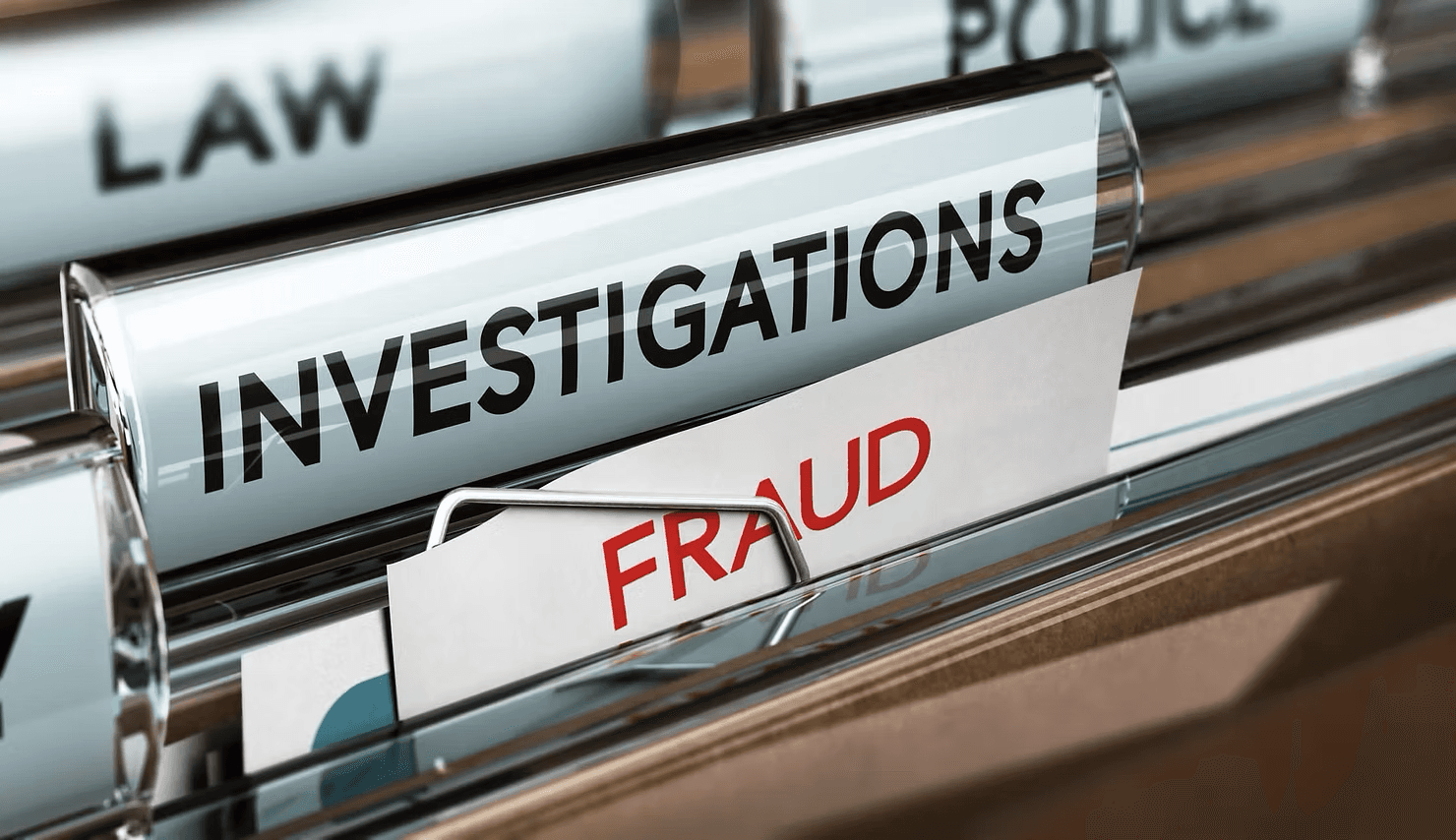
The Japanese legal system is unique in its approach to allegations of corporate fraud. What kinds of fraud investigations are growing more common in Japan? The most common types of fraud investigations in Japan involve accounting fraud, falsification of data or quality of products, and insider trading. Regarding falsification of data or quality of products, companies often conduct their own investigation and issue a news release on their own, even if the falsification is not likely to trigger a compulsory recall or any serious violation of regulations. Companies conduct their investigations to avoid damage to their reputation from being seen as trying to hide their problems from the public. In addition to these classic fraud cases, investigations concerning “greenwashing” are likely to become the next trend. Since 2017, when the Government Pension Investment Fund (GPIF) – the largest of its kind in the world – began allocating its funds to ESG investment, more and more Japanese companies have embarked on ESG-related investments. Although there are not yet any disclosure rules that specifically regulate ESG-related investments in Japan, the market awaits the disclosure regulations on “greenwashing.” Once the regulators implement the disclosure rules, violations would fall within the scope of false statements of the securities report, which could become another type of fraud investigation. How would a typical company respond to a sign of fraud being uncovered? When a listed company finds a sign of fraud, the most common response is to voluntarily establish a committee to conduct an internal investigation or a special committee to conduct an independent investigation. The sign of fraud could be found through an internal audit process, whistleblowing, or tipping off from business partners or consumers. It is important for the suspected company to commence its own investigation voluntarily to show good faith to the market and consumers even before the beginning of governmental investigations. In most cases, the company appoints accountants and lawyers as their investigation committee members if they establish a special committee. Former judges and prosecutors are the preferred candidates. “Companies conduct their investigations to avoid damage to their reputation from being seen as trying to hide their problems from the public.” The report prepared by the committee is often released to the public to show the company’s good faith to the market and consumers. This is a practice that is unique to Japan. The report often identifies the causes of the problem, who is responsible for the problem, and what the company should do to prevent a similar case from occurring in the future. What would happen after such a report was released? The release of the report may trigger a formal government investigation. In a case regarding false statements in securities reports, the Securities and Exchange Surveillance Commission (SESC) may commence their own investigation which could result in an administrative fine on the company. Following the SESC investigation, interested parties may subsequently opt for litigation. For example, parties that were involved in fraudulent transactions without realising that the transactions were fraudulent could seek damages against the company. Another example would be securities litigation. Some investors may commence litigation against the company to seek damages caused by the scandal. The investors may also commence deliberative action against directors of the company. The company should be mindful of this possible series of events which might follow the disclosure of the reports by the investigation committee. In practice, the committee prepares two sets of reports, one for the company and another to be disclosed to the public. The publicly disclosed report is carefully censored so that the names of employees who committed wrongdoing or names of other companies which were involved in the scandal are deleted and their identities anonymised. What legal issues should companies be mindful of during this process? Attorney-client privilege is not generally recognised in Japan. In the voluntary investigation by the company’s special committee, interviews are often conducted with the directors and employees who were suspected to be involved in the fraud. Usually, a team of lawyers conducts these interviews. As the summaries of interviews are not protected by attorney-client privilege under Japanese law, the regulators could request these documents for their investigations. On the other hand, information regarding the company’s voluntary investigation could be protected in the civil or criminal proceedings by different theories. “Attorney-client privilege is not generally recognised in Japan.” For example, lawyers have the right to refuse testimony in the civil or criminal proceedings under the confidentiality obligation to the client pursuant to the Code of Civil Procedure or the Code of Criminal Procedure. The employee who was interviewed in the voluntary investigation by the committee may refuse to give evidence if it would incriminate themselves pursuant to the Code of Civil Procedure or the Code of Criminal Procedure. In practice, investigation committees of Japanese companies that operate globally usually explain to the interviewee that attorney-client privilege belongs to the company if it applies, but not to the interviewee (i.e. an employee or a director) in case attorney-client privilege is recognised in other jurisdictions. In such cases, the relevant documents prepared through the voluntary investigation are marked as “privileged and confidential” to be protected in other jurisdictions. Another legal issue which companies should be mindful of is the managerial responsibilities of independent directors, who are not executive directors and are often professionals like lawyers, accountants and professors. In a recent fraud case, the committee’s report identified that some independent directors failed to fulfill their managerial responsibilities to prevent the fraud. It was not common for reports of an investigation committee to find that independent directors were responsible for the fraud. Now that the Companies Act and the Corporate Governance Code of Japan require listed Japanese companies to appoint independent directors, both they and executive directors should be aware of their potential legal liabilities in case of fraud at the company. How are plea bargains handled in the Japanese legal system? In Japan, a plea-bargaining scheme was introduced in 2018. This new scheme was intended to press charges against a high-ranking criminal with the witness evidence provided by lower-ranked criminals in exchange for dropping their criminal charges. There have been only a few such cases so far in Japan. Unfortunately, the scheme was used for prosecuting an employee in the very first case. In this case, the company benefited from the plea-bargaining scheme by giving statements to prosecute its former officer in a bribery case. The second case was the false accounting scandal by Carlos Ghosn, the former CEO of Nissan, which attracted widespread attention from the media. This time, the scheme worked as it was intended. A lower-ranked official made a statement to prosecute the former CEO. However, we are concerned that Japanese courts showed a rather cautious attitude towards the witness evidence provided through the plea-bargaining scheme in some cases.

Learn more

How is Corporate Fraud Investigated in Japan?

Our Articles

Discover Valuable Insights and Strategies

Explore our blog for expert commentary on Kuwait law, regional developments, and the practical questions businesses actually ask us.

Governing Law: Everything you need to know

Governing Law: Everything you need to know

Learn more
LEGAL DESIGN: HOW DESIGN CAN MAKE LAW EASIER TO UNDERSTAND

LEGAL DESIGN: HOW DESIGN CAN MAKE LAW EASIER TO UNDERSTAND

Learn more

Reviewing Business Contracts: What to Look for and How to Look for It

Reviewing Business Contracts: What to Look for and How to Look for It

Learn more

4 Ways to Transform Legal Contracts Into a Brand Experience

4 Ways to Transform Legal Contracts Into a Brand Experience

Learn more
Good Governance: The secret of a Successful Family Business

Good Governance: The secret of a Successful Family Business

Learn more
What is legal design? And why is it important for an in-house lawyer?

What is legal design? And why is it important for an in-house lawyer?

Learn more
Bringing the Human Voice to Legal Language

Bringing the Human Voice to Legal Language

Learn more
The Indemnification Clause, Beyond Just Boilerplate

The Indemnification Clause, Beyond Just Boilerplate

Learn more
Why legal ops needs to think about knowledge management

Why legal ops needs to think about knowledge management

Learn more

The Most Commonly Experienced Legal Issues in Business

The Most Commonly Experienced Legal Issues in Business

Learn more

Managing Expectations in Contract Negotiations

Managing Expectations in Contract Negotiations

Learn more
The Best Way to Learn How to Draft Contracts

The Best Way to Learn How to Draft Contracts

Learn more

Vendor Contracts: Everything you need to know

Vendor Contracts: Everything you need to know

Learn more

Legal Design: The next challenge for legal professionals

Legal Design: The next challenge for legal professionals

Learn more

Free Trade Agreement negotiations between the UK and GCC

Free Trade Agreement negotiations between the UK and GCC

Learn more

Key Legal and Business Considerations for SaaS Buyers

Key Legal and Business Considerations for SaaS Buyers

Learn more
A Complete Arbitration Framework in the Eyes of the New DIAC Rules - UAE

A Complete Arbitration Framework in the Eyes of the New DIAC Rules - UAE

Learn more
The Importance of Law Firms for Small and Medium Size Business

The Importance of Law Firms for Small and Medium Size Business

Learn more

Understanding Cross-Border Commercial Disputes in Kuwait and the GCC Region

Understanding Cross-Border Commercial Disputes in Kuwait and the GCC Region

Learn more

Kuwait Implements Ultimate Beneficial Ownership Regulations for Enhanced Transparency and Compliance

Kuwait Implements Ultimate Beneficial Ownership Regulations for Enhanced Transparency and Compliance

Learn more
G2B and B2B Contracts: What You Need to Know

G2B and B2B Contracts: What You Need to Know

Learn more
Enforcing Foreign Court Judgments in Kuwait: A Comprehensive Legal Guide

Enforcing Foreign Court Judgments in Kuwait: A Comprehensive Legal Guide

Learn more
Understanding Money Laundering Laws in Kuwait

Understanding Money Laundering Laws in Kuwait

Learn more
Kuwait's Decree-Law No. 6 of 2024 Regarding the Exchange of Information for Tax Purposes

Kuwait's Decree-Law No. 6 of 2024 Regarding the Exchange of Information for Tax Purposes

Learn more
Kuwait Bans Cryptocurrency Payments and Investments

Kuwait Bans Cryptocurrency Payments and Investments

Learn more
Exploring the Depths of Contract Law: Comparative Analysis and Global Case Studies

Exploring the Depths of Contract Law: Comparative Analysis and Global Case Studies

Learn more
Revolutionizing Business in Kuwait: New Legislation Empowers Foreign Companies to Operate Independently

Revolutionizing Business in Kuwait: New Legislation Empowers Foreign Companies to Operate Independently

Learn more
The enactment of Law No. 1 of 2024: Revolutionizing Business in Kuwait: New Legislation Empowers Foreign Companies to Operate Independently

The enactment of Law No. 1 of 2024: Revolutionizing Business in Kuwait: New Legislation Empowers Foreign Companies to Operate Independently

Learn more
Wefaq Law Firm and Bader Alqellaish Shortlisted for Prestigious LexisNexis Middle East Legal Awards 2024

Wefaq Law Firm and Bader Alqellaish Shortlisted for Prestigious LexisNexis Middle East Legal Awards 2024

Learn more
The Legal Implications of Kuwait's Economic Growth Projections

The Legal Implications of Kuwait's Economic Growth Projections

Learn more
Understanding Employee Rights Under Kuwait Labour Law

Understanding Employee Rights Under Kuwait Labour Law

Learn more
Navigating Agency and Distribution Laws in Kuwait

Navigating Agency and Distribution Laws in Kuwait

Learn more
Understanding Kuwait’s Copyright Law: A Guide to Law No. 75 of 2019

Understanding Kuwait’s Copyright Law: A Guide to Law No. 75 of 2019

Learn more
The Fundamentals of Contract Drafting in Kuwait: A Guide for Legal Professionals

The Fundamentals of Contract Drafting in Kuwait: A Guide for Legal Professionals

Learn more
Amendment to Article 116 of the Kuwaiti Companies Law: Enhancing Decision-Making Flexibility

Amendment to Article 116 of the Kuwaiti Companies Law: Enhancing Decision-Making Flexibility

Learn more
Comprehensive Overview of Kuwait's New Residency Law for Foreigners (Decree No. 114/2024)

Comprehensive Overview of Kuwait's New Residency Law for Foreigners (Decree No. 114/2024)

Learn more
Kuwait Enacts 15% Minimum Tax on Multinational Enterprises: A Legal and Practical Analysis

Kuwait Enacts 15% Minimum Tax on Multinational Enterprises: A Legal and Practical Analysis

Learn more
Kuwait Bans Cryptocurrency Mining Under Multi-Law Crackdown

Kuwait Bans Cryptocurrency Mining Under Multi-Law Crackdown

Learn more
Wefaq Law Firm Shortlisted for LexisNexis Middle East Legal Awards 2025 – For the Second Consecutive Year

Wefaq Law Firm Shortlisted for LexisNexis Middle East Legal Awards 2025 – For the Second Consecutive Year

Learn more
Mastering the Art of Negotiation in Law and Business

Mastering the Art of Negotiation in Law and Business

Learn more
Legal Update: Kuwait Introduces Mandatory “Exit Permit” for Expatriate Workers in the Private Sector

Legal Update: Kuwait Introduces Mandatory “Exit Permit” for Expatriate Workers in the Private Sector

Learn more
Kuwait Bankruptcy Law: Key Developments and Amendments

Kuwait Bankruptcy Law: Key Developments and Amendments

Learn more
The Kuwaiti Cabinet Approves Electronic Judgments in Criminal Cases

The Kuwaiti Cabinet Approves Electronic Judgments in Criminal Cases

Learn more
Kuwait’s National Cybersecurity Center: The 2025 National Data Classification Framework

Kuwait’s National Cybersecurity Center: The 2025 National Data Classification Framework

Learn more
Understanding Kuwait’s Anti-Money Laundering Framework in 2025

Understanding Kuwait’s Anti-Money Laundering Framework in 2025

Learn more